The Toreador (a fiction)

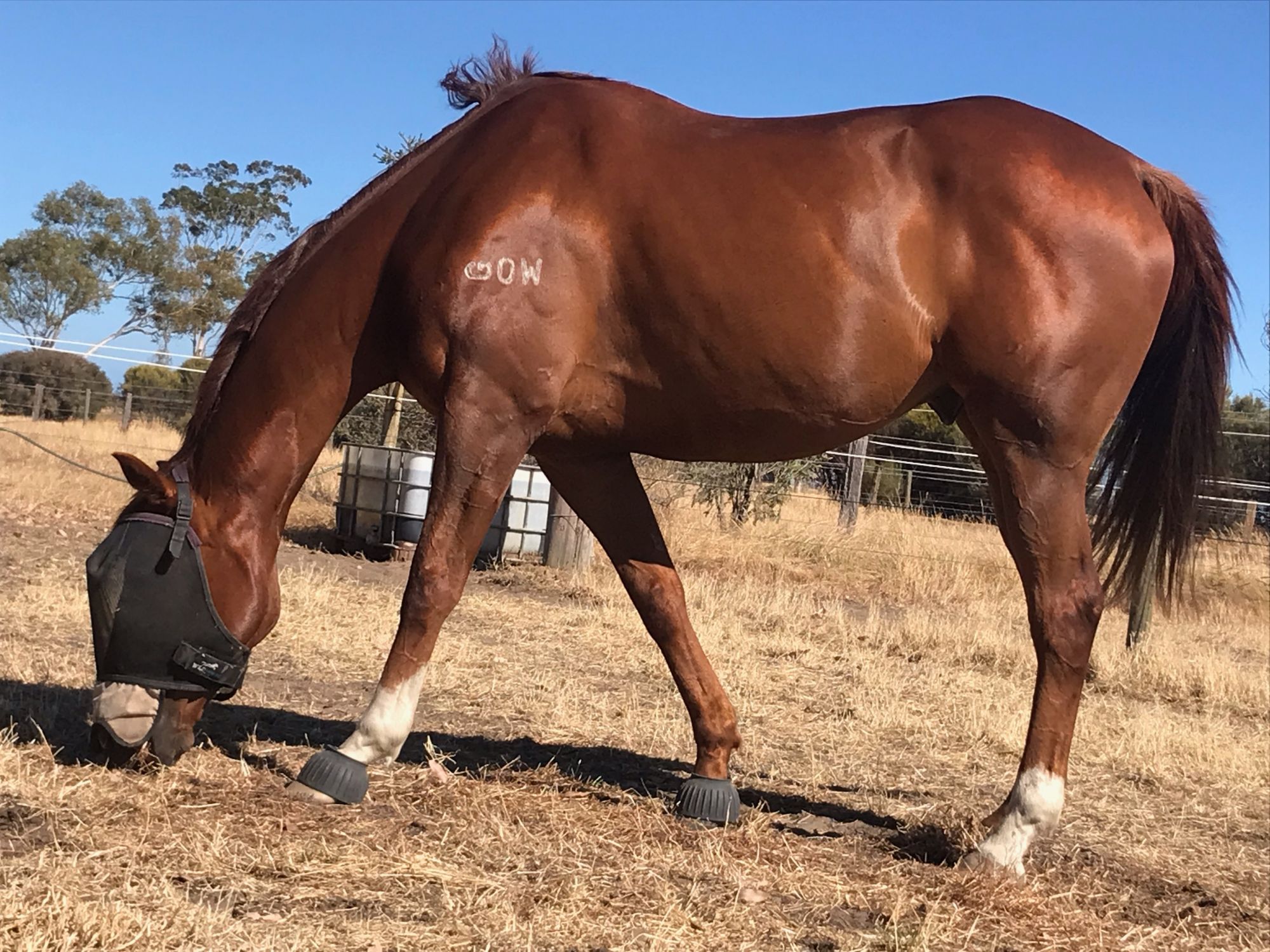
‘If I may say, yer ‘onor, my mount has become quite demanding.’ The toreador looked down at his horse. ‘A flaming beast indeed,’ he muttered under his breath.

The horse arched its neck and stamped its feet. Its hooves had been trimmed, and oil applied.

‘Silence,’ demanded the person at the fence. ‘There will be no shouting in this court.’ Their face had become as red as the horse’s coat. The mumbling of the people dulled to quiet.

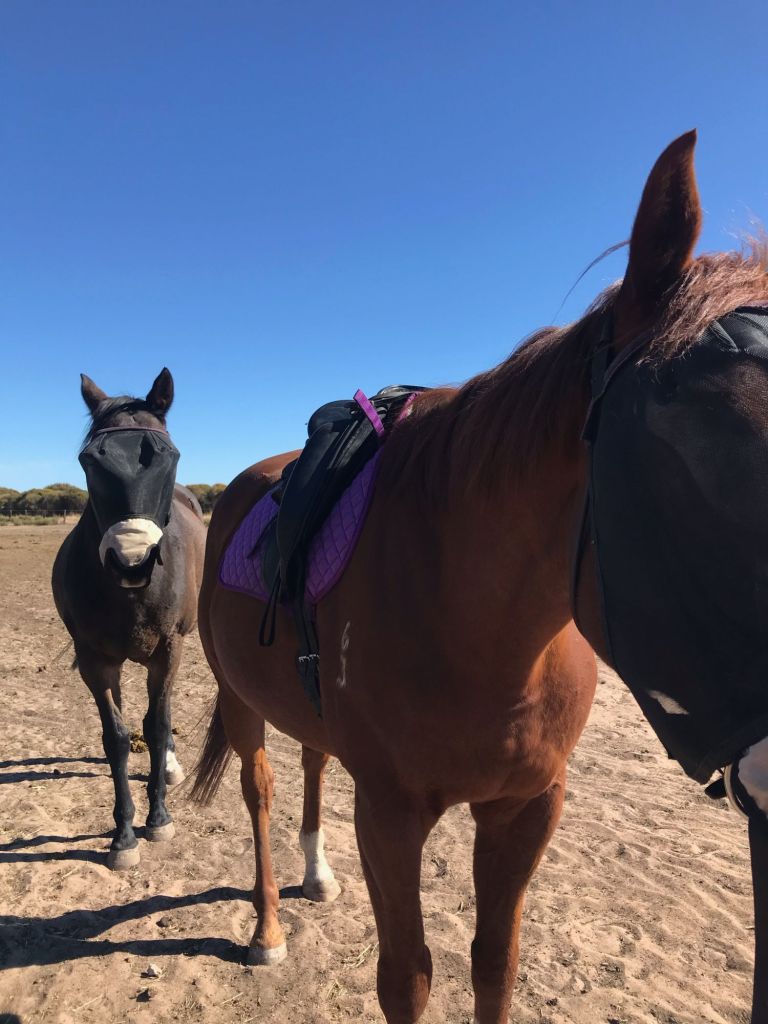
This horse had been marked on both shoulders, and stood under a tree to keep out of the sunlight for longer than he’d expected. His older companion rolled expressive eyes and stuck out his tongue for good measure.

‘I really don’t feel like being a toreador today,’ said the toreador. ‘Can someone else look after him?’

‘He’s your horse,’ said the other rider. ‘I think he wishes to have some exercise.’

‘Perhaps in the evening then, when it’s cooler,’ suggested the toreador hopefully, then grimaced as he noticed the trembling of the horse beneath him. ‘Bugger. He’s going to be a pain in the backside. Perhaps I’ll take him for a short stroll around the paddock instead.’

‘I do not think that will be enough,’ said the rider of the dark bay.

As if to prove that point, the bay sighed, very deeply. He had been bitten enough by the young maniac beside him over the last few weeks, but it had not ruined his own good nature.

The horse wished the toreador to take him to a bull. He lifted his head and snorted. This time it was the toreador who sighed.

‘The bull always comes to us, you idiot,’ he said, raising his spear. ‘Now for goodness sake, calm down and start dancing.’

to be continued…
To Simply be a Tree.

There is often the assumption when a child is given a part in a school play that if they are in the position of acting as a tree, it is simply to include that child in the experience of being onstage.

Think about this.

I know when I look at trees, they are not still or unmoving, unless there is no wind. They do not stay exactly the same colour, unless there is no sunlight or rain. They do not stay the same size unless they have been pulled from the ground.

One might get a particularly precocious child who may ask, ‘If I am a tree, then what kind of tree am I?’

The teacher may respond, ‘You are simply a tree.’

Simply a tree? What does this mean? How does one simply be a tree, when there are so many to choose from? But, the child, if they decide to be less argumentative than usual, may think to themselves, ‘Okay then, I am “simply a tree”.’ And they will look at a tree and see how its branches sway with a breeze, how its leaves may shiver and shake, how, depending on what type of tree it is in the child’s mind, it might lose a leaf occasionally or perhaps all at once.

The teacher, depending on how tired or not they are, may look upon this child and think to themselves, ‘This is a wonderful idea. Why have just one tree in my play, when I can have an entire grove of trees that change with the seasons, that give us the idea of light and movement, seasons and weather, simply by being trees. I can work with this. I will make this play both magical and realistic, simply by adding trees.’

Many years later, someone may come across this child or these children as adults and ask them, ‘Did you have experience in acting as a child?’ and the former child or children may answer with, ‘Yes, I was a tree in a school play once.’

It is the intelligent and thoughtful person who hears this response and may think to themselves, ‘This person played the part of a tree. I am really quite envious.’

‘How wonderful it must have been to be a tree,’ the person might respond.

Being a tree is a wonderful thing indeed. One may not use their voice as others use their voices. One may not be moving around as others move around, but one is still expressing things through movement, however small, and through language, however different.

All this from simply being a tree.