The red horse did not find it amusing his sire had been named McFlirt.
‘To be the seventh son of a horse named “Of a Flirt” is not my idea of a good timing,’ said the horse.
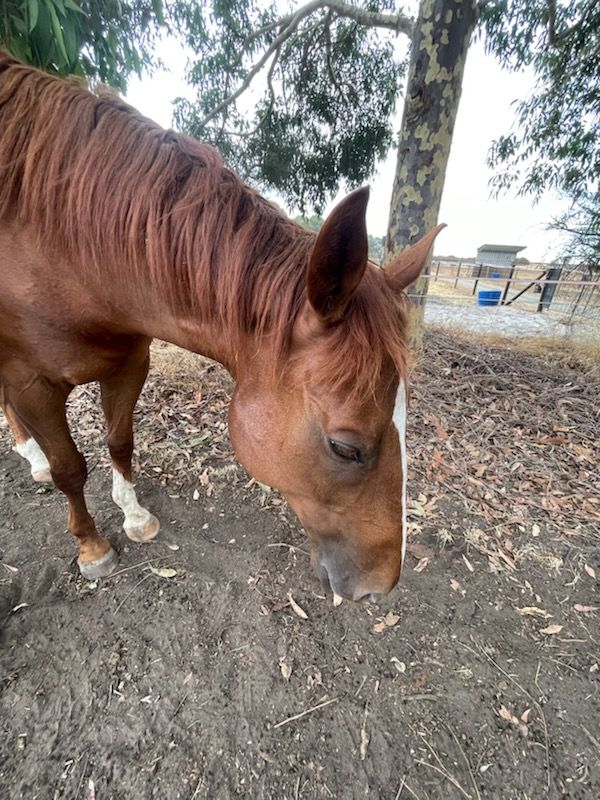
If words could be uttered from a horse’s mouth, then they would be spoken as honestly as the humans could interpret them. There is much “tongue in cheek” here, but the chestnut has a sense of humour today, apparently.
It is quite a shame some people believe a horse is not up to telling a story, but the chestnut is accompanied by his new old friend who has been named for a Strawberry and doesn’t mind a bit. If anyone else thinks these are terrible puns, please let me know. I don’t think all of them are mine.

Anyway… The chestnut does not roll his eyes, because he leaves that to his friend, who is quite good at pulling faces. I can personally vouch for this, as I have seen it, and he is a funny old duffer indeed. They have consented to having their photographs taken by their owners, so we are in luck in knowing the pictures provided to this particular WordPress blog are genuine and legal. Isn’t that wonderful. That was a rhetorical question.
Today, we do not enter into the personal previous life of Knox the gelding, as he is busy being a horse with no name and pretending to chase bulls down unfamiliar streets with cobbled stones and skinny windows. Hey look, I’m just repeating what the horse is saying, so you really can’t correct me. If he isn’t a horse and just pretending to be the one attempting to bite his best mate’s backside, then I have many questions to ask, and I probably won’t get answers to them.
Knox (the horse) asks us to remember his mature-age friend, the dark bay who was once a strawberry roan, cannot be ridden anymore as he has a bad back, but biting him on the arse is perfectly acceptable. I would just like to say I won’t be trying this myself anytime soon, and nobody else should either. Frazier is quite a large horse, and although he is extremely patient with his younger companion, he would likely get quite a fright if tiny humans thought sinking their teeth into him would be a good idea. He can still kick if he needs to.
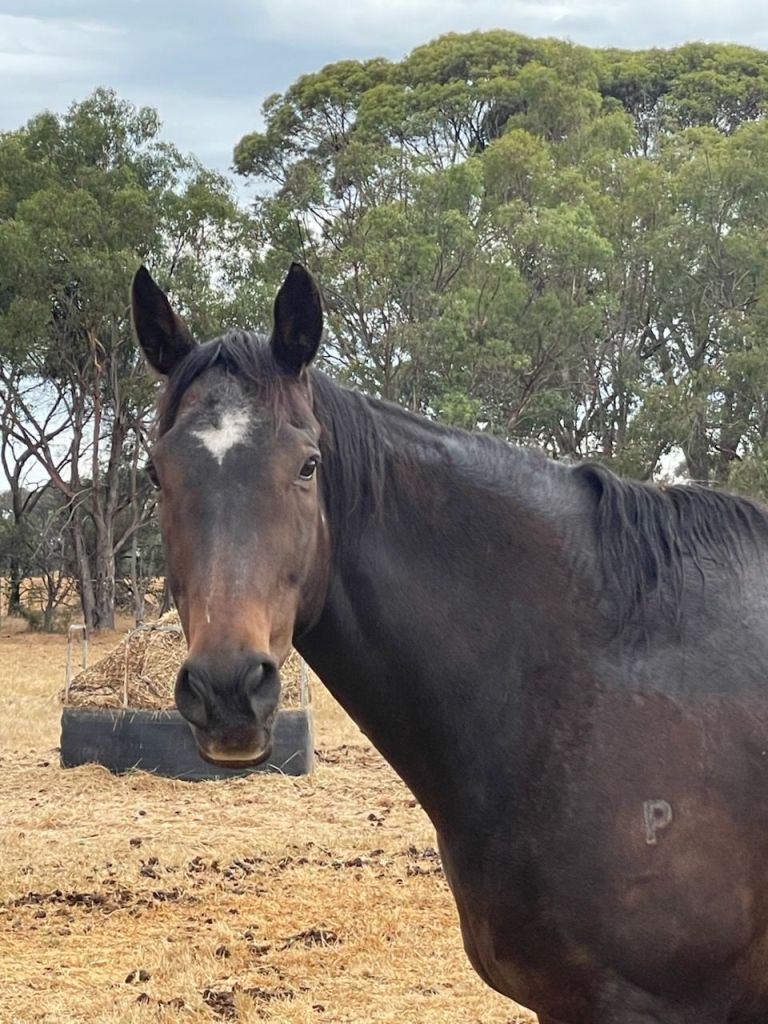
I think perhaps photographs of the true characters in this short piece would probably help.
 Kate Capewell - Ambrosia Wishes